Finding the position
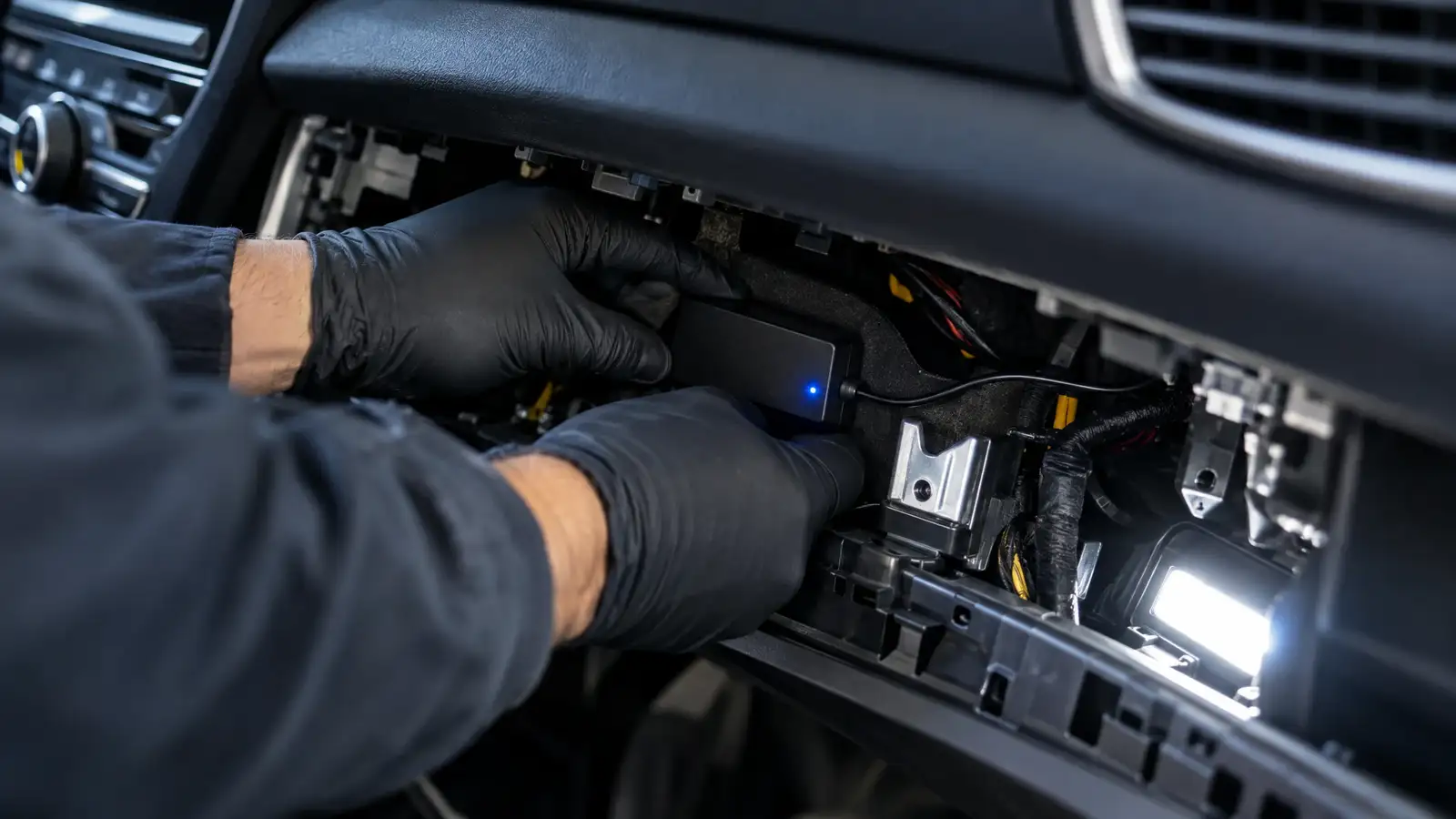
A GPS receiver in the tracker listens to signals from navigation satellites and calculates where it is. It needs a view of the sky, which is why placement matters.
Sending it to you
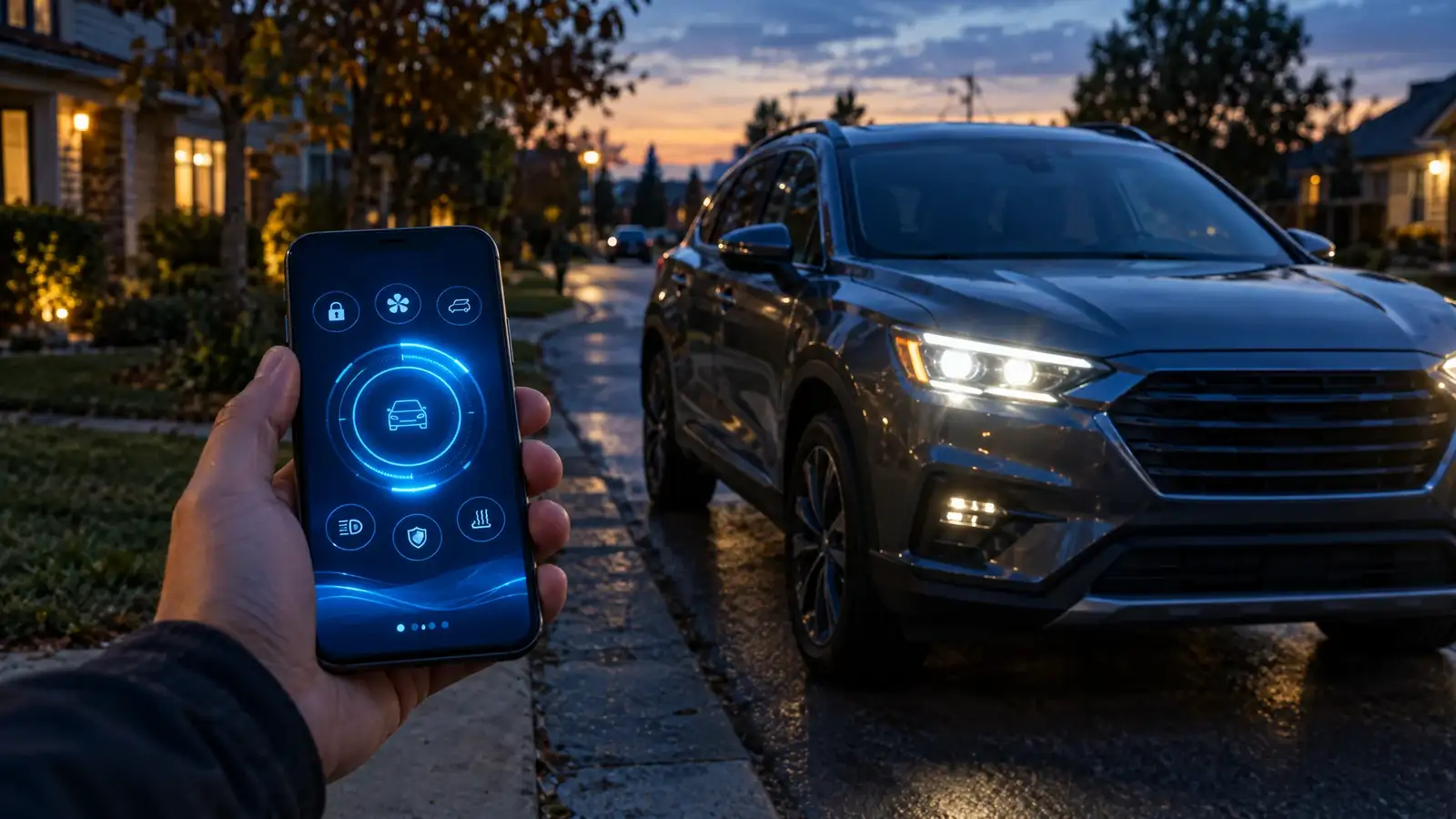
The tracker sends its position over a cellular network to a server, and the server passes it to your app. That is why trackers need a service plan.
What you see
Current location, history and alerts. You can often set a zone and be told when the vehicle leaves it, or set a speed limit and be told when it is exceeded.
What limits it
Parking garages, dense urban canyons and cellular dead zones can delay updates. Some trackers also use motion sensors to save power, so they update less when the vehicle is parked.
What to do with the information
Check where the vehicle is. Look at where it has been. Set a zone around home or work and get an alert if it leaves. If it is stolen, give police the location and let them handle the rest.
Quick answers
Does GPS work underground?
Usually not well. The tracker reports the last known position.
How accurate is it?
Often within a few yards in open areas, less in cities and garages.