Arming
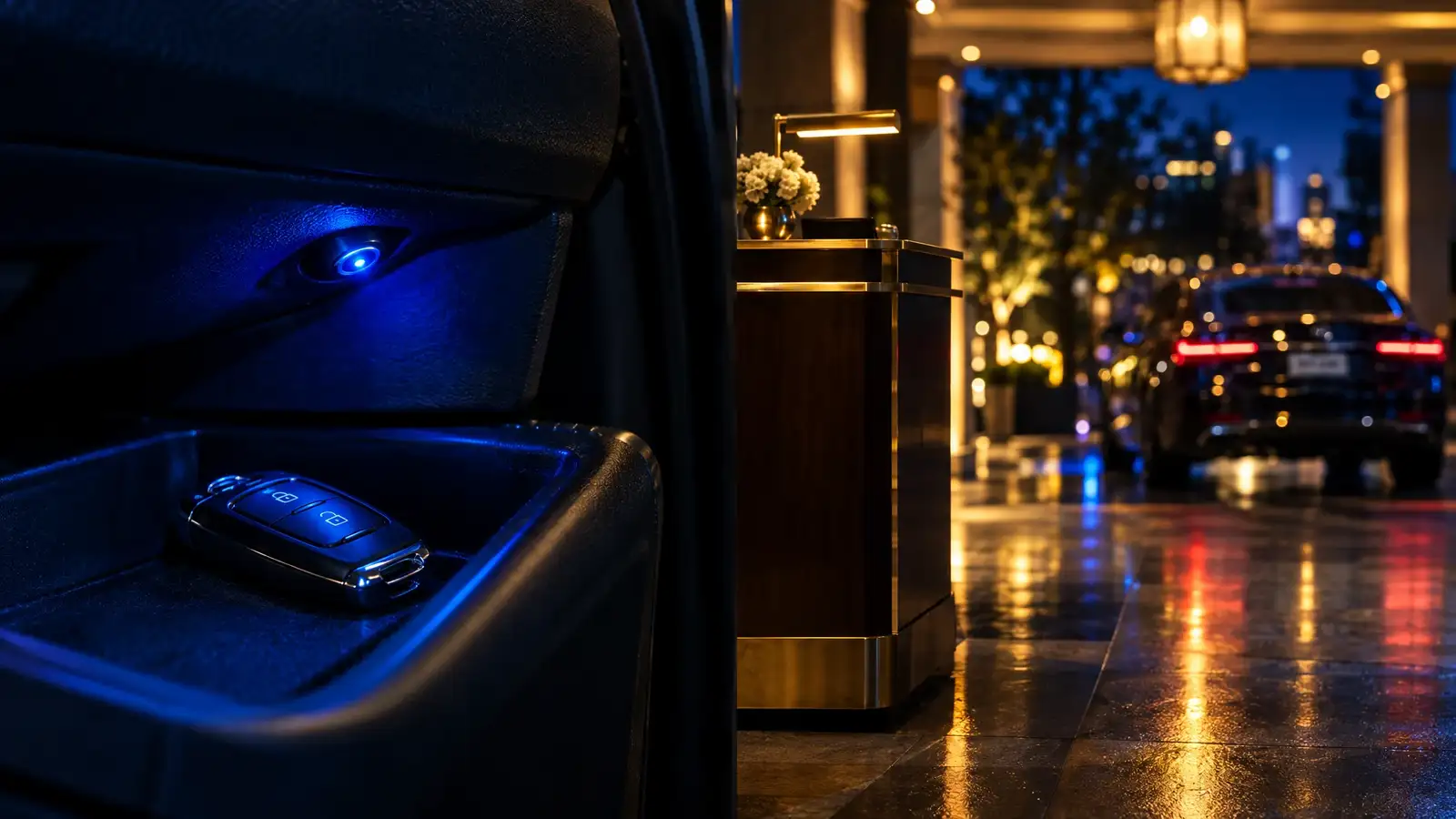
You press a button on the remote. The control unit checks that doors, hood and trunk are closed, locks the doors if configured, turns on its sensors and flashes the lights to confirm.
Sensing
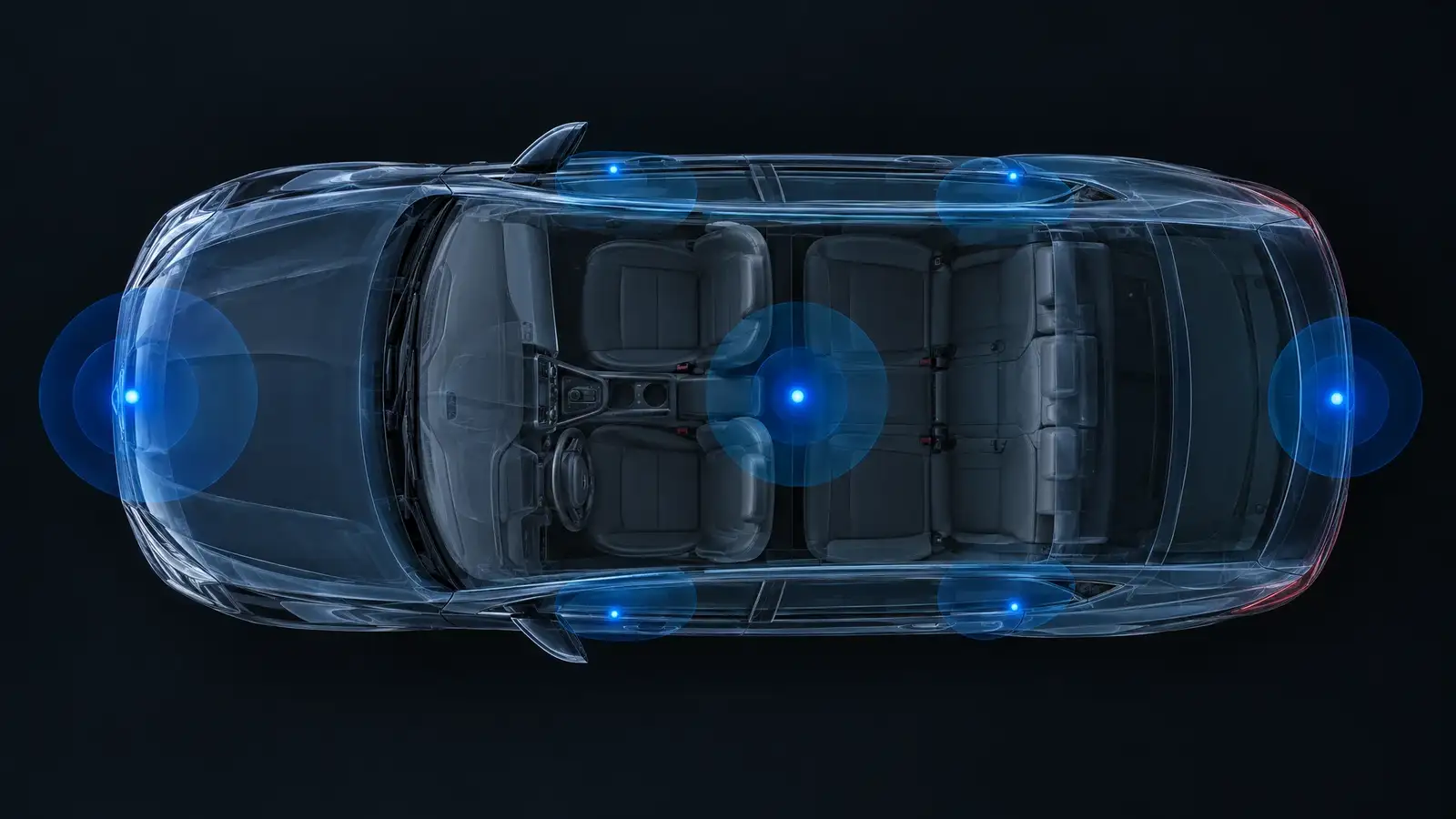
While armed, the system watches its sensors. A shock sensor feels impacts. A door, hood or trunk switch notices opening. Add-on sensors listen for glass, feel tilt or watch the cabin.
Reacting
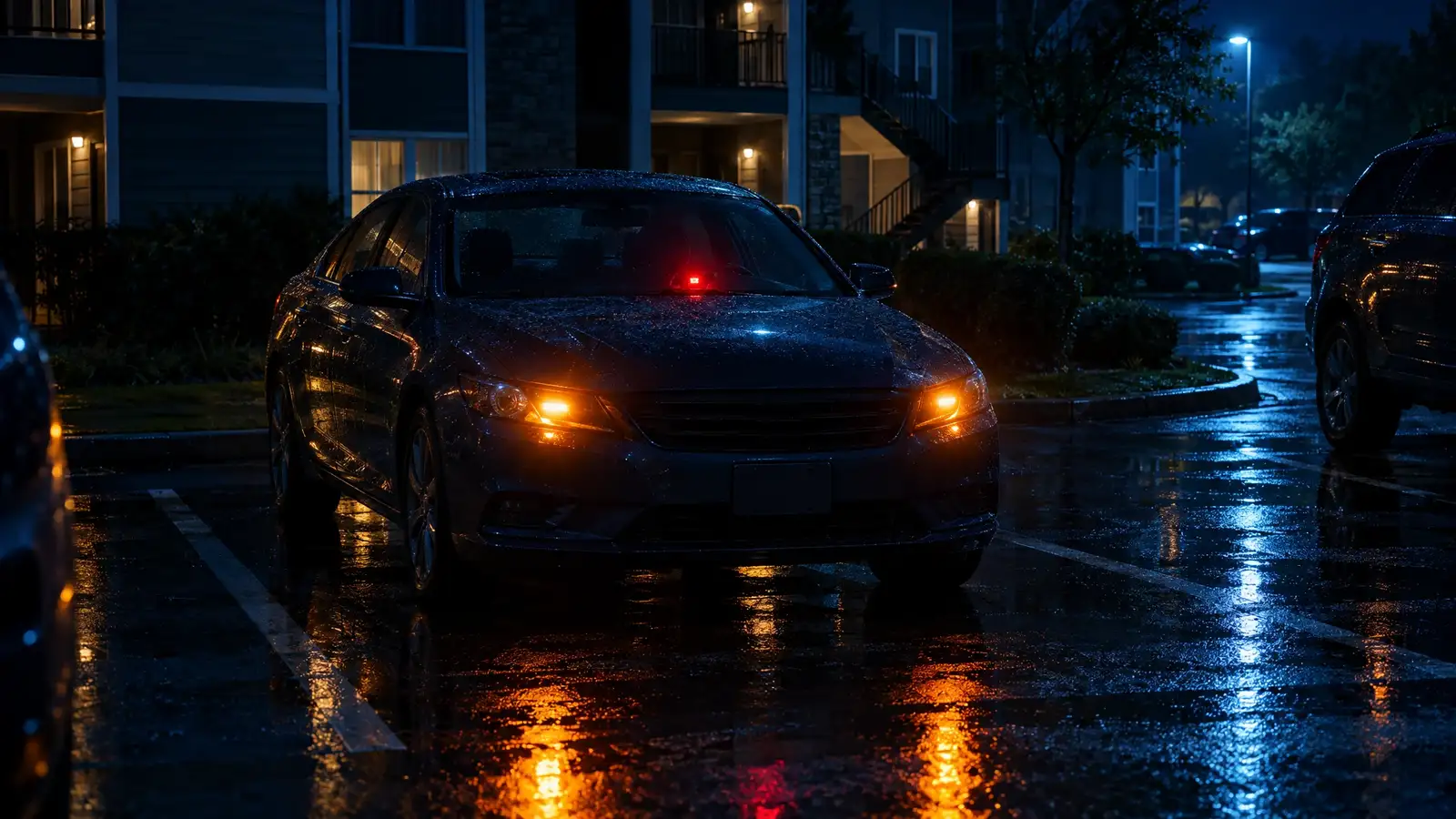
A light impact usually triggers a warning chirp. A stronger impact or a door opening triggers the full alarm: the siren sounds, parking lights flash and the starter is interrupted.
Disarming
A press of the remote disarms the system and stops everything. Valet mode lets someone else drive without the system reacting.
Why tuning matters
The same alarm can be a nuisance or a comfort depending on how its sensors are set. A good installer tests each sensor, sets its sensitivity to your parking and explains how to adjust it. That one step is the difference between an alarm you trust and one you switch off.
Quick answers
Why does an alarm chirp but not sound?
A warning chirp is the first level of response to a light impact.
Can I turn the alarm off in an emergency?
Yes. Disarm with the remote.